
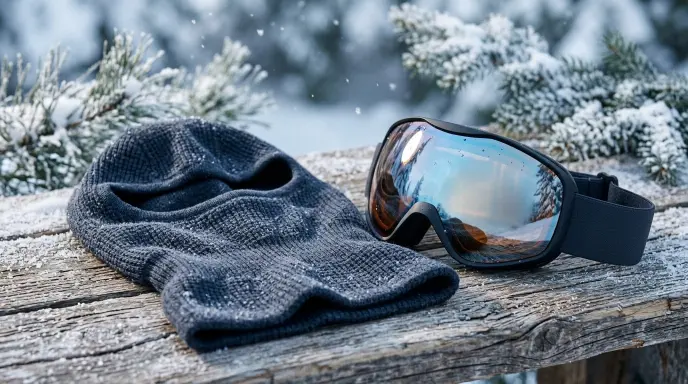
A ski mask is a close-fitting head covering that helps protect the face, head, and neck from cold weather.
It is popular among skiers, snowboarders, motorcyclists, hikers, and people who spend time outdoors during winter.
If you are looking for another name for a ski mask, the word balaclava is usually the best place to start.
However, several other terms describe similar types of clothing. You may see names such as winter face mask, thermal face covering, face warmer, or neck gaiter.
Each term has a slightly different meaning, depending on the item’s shape, material, and purpose.
This guide explains common synonyms, alternative names, and related winter accessories.
It also covers the differences between a ski mask and similar garments, helping you choose the most accurate word for everyday conversations, clothing searches, or writing.
Other Name for Ski Mask: Common Synonyms
Several words describe a ski mask or a similar head and face covering. Some are direct alternatives, while others refer to related accessories.
- Balaclava – The most common alternative name for a ski mask.
- Winter face mask – A face covering designed for cold weather.
- Thermal face covering – A covering designed to help retain warmth.
- Face warmer – A simple term for an accessory that keeps the face warm.
- Cold-weather mask – A general name for a mask worn in chilly conditions.
- Head-and-face covering – A descriptive term for clothing that covers both areas.
- Full-face covering – A garment that covers most or all of the face.
- Winter head covering – A broad term for protective winter headwear.
- Snow mask – A term associated with face coverings used in snowy conditions.
- Outdoor face mask – A covering designed for outdoor activities.
- Head mask – A close-fitting covering worn over the head and part of the face.
- Insulated face covering – A face covering made with material intended to retain heat.
- Wind-resistant face mask – A covering designed to reduce exposure to wind.
- Winter face shield – A broad term for equipment that shields the face from cold air.
- Head-and-neck warmer – A garment that helps cover and warm the head and neck.
The most accurate general synonym is balaclava. Other expressions may describe similar products without referring to the exact same design.
Other Name for Ski Mask in Winter Clothing
Winter clothing includes several accessories that protect the head, neck, and face. Their names often depend on the material, coverage, and intended use.
- Thermal balaclava – A balaclava designed to provide warmth.
- Fleece balaclava – A soft face and head covering made from fleece.
- Winter hood – A hood intended for cold weather.
- Cold-weather hood – A hood designed for chilly outdoor conditions.
- Thermal headwear – A general term for head coverings that help retain warmth.
- Insulated hood – A hood made with insulating material.
- Ski hood – A hood-style accessory used during skiing.
- Snow sports mask – A face covering intended for skiing or snowboarding.
- Winter face warmer – An accessory that protects the face from cold air.
- Outdoor headgear – A broad category of headwear used outside.
- Windproof balaclava – A balaclava designed to reduce wind exposure.
- Helmet liner – A thin layer worn beneath a helmet, sometimes for warmth.
- Thermal helmet liner – A helmet liner designed for colder conditions.
- Mountaineering balaclava – A balaclava intended for mountain activities.
- Expedition face covering – A general description for face protection used during outdoor expeditions.
These terms are useful when shopping for winter accessories. Still, check the product specifications because warmth, breathability, and wind resistance vary between products.
Other Name for Ski Mask in Skiing and Snowboarding
Skiers and snowboarders often wear face coverings to reduce exposure to cold air, snow, and wind. The right name depends on whether the garment covers the entire head or only part of it.
- Ski balaclava – A balaclava made for skiing.
- Snowboarding balaclava – A head and face covering used during snowboarding.
- Ski face covering – A general term for a face covering worn on the slopes.
- Winter sports mask – A mask designed for cold-weather sports.
- Snowboard face mask – A face covering worn while snowboarding.
- Alpine balaclava – A balaclava intended for alpine activities.
- Ski neck warmer – A neck warmer that may also cover the lower face.
- Snow face warmer – A covering designed to protect the face in snowy weather.
- Ski hood liner – A thin hood or liner worn under suitable headgear.
- Helmet-compatible balaclava – A balaclava designed to fit beneath a compatible helmet.
- Thermal ski hood – A warm hood intended for skiing.
- Snow sports face warmer – A general term for a face-warming accessory.
- Cold-weather ski mask – A ski mask intended for low temperatures.
- Winter helmet cap – A cap worn beneath a helmet, although it may not cover the face.
- Mountain face covering – A general term for face protection used in mountain environments.
A helmet liner is not necessarily the same as a ski mask. If you need full face coverage, choose a product specifically designed for that purpose.
Other Name for Ski Mask Based on Material
The fabric used in a face covering affects its comfort, warmth, and moisture management. Material-based terms can help you find the right product.
- Fleece face mask – A soft covering made from fleece fabric.
- Wool balaclava – A head and face covering made from wool.
- Merino wool balaclava – A version made from merino wool.
- Polyester balaclava – A synthetic-fabric option.
- Cotton face covering – A covering made from cotton fabric.
- Neoprene face covering – A face covering made with neoprene material.
- Thermal knit mask – A knitted covering designed for warmth.
- Ribbed knit balaclava – A balaclava with a textured, ribbed design.
- Stretch fabric face mask – A flexible covering that stretches to fit.
- Breathable balaclava – A balaclava designed to allow airflow.
- Moisture-wicking face covering – A covering designed to move sweat away from the skin.
- Wind-resistant balaclava – A design intended to reduce wind exposure.
- Lightweight face warmer – A thinner option for layering or milder weather.
- Heavyweight winter balaclava – A thicker covering for colder conditions.
- Seamless face covering – A covering designed without prominent seams.
When selecting a material, consider your activity and the temperature. A thick fleece covering may provide warmth, while a lightweight synthetic option may work better during activities that cause sweating.
Other Name for Ski Mask That Covers the Entire Head
Some ski masks cover the head, neck, and most of the face. Others leave more skin exposed. These terms describe different coverage styles.
- Full-head balaclava – A covering that extends over the head and face.
- Full-face balaclava – A balaclava designed to cover most of the face.
- Head-and-face mask – A straightforward description of a garment covering both areas.
- Full-coverage face mask – A covering designed to cover a large portion of the face.
- Integrated hood mask – A hood and face covering combined into one garment.
- Pull-on balaclava – A covering that is pulled over the head.
- One-piece head covering – A single garment covering several parts of the head.
- Winter face hood – A hood-like covering designed for cold weather.
- Head sock – An informal term for a close-fitting fabric head covering.
- Full head warmer – A covering designed to help keep the head warm.
- Convertible balaclava – A design that can be adjusted for different levels of face coverage.
- Open-face balaclava – A style with a larger opening that exposes more of the face.
- Extended-neck balaclava – A design with extra fabric around the neck.
- Hooded face warmer – A garment that combines head coverage with face protection.
- Stretch-fit balaclava – A flexible covering designed to fit closely around the head.
Not every design offers the same protection. Check the shape and coverage before buying a balaclava for skiing, hiking, or other outdoor activities.
Other Name for Ski Mask With Eye or Face Openings
Ski masks come in different designs. Some expose only the eyes, while others leave the nose and mouth uncovered.
- Eye-opening balaclava – A balaclava with an opening around the eyes.
- Two-hole balaclava – A design with separate openings for the eyes.
- Three-hole balaclava – A design with openings for the eyes and mouth.
- Open-face balaclava – A style that leaves more of the face uncovered.
- Face-opening hood – A hood with an opening that exposes part of the face.
- Single-opening balaclava – A design with one main face opening.
- Open-mouth balaclava – A covering with a separate opening for the mouth.
- Adjustable face covering – A garment that can be repositioned for different coverage.
- Convertible face hood – A hood that can be adjusted to expose more or less of the face.
- Contoured face mask – A mask shaped to fit around the face.
- Low-profile balaclava – A close-fitting design intended to fit under other gear.
- Helmet-ready balaclava – A balaclava designed for use with a compatible helmet.
- Stretch-fit face covering – A flexible covering that adapts to the wearer’s face.
- Face-panel balaclava – A design with a distinct panel covering the face.
- Breathable open-face mask – A face covering designed to allow airflow through its exposed or breathable sections.
These descriptions can help you search for a particular design. However, some are descriptive phrases rather than standard product names.
Other Name for Ski Mask That Covers the Neck
A ski mask often extends below the chin to protect the neck. Other winter accessories focus mainly on the neck and lower face.
- Neck gaiter – A tube-shaped accessory worn around the neck and sometimes over the lower face.
- Neck warmer – An accessory designed to keep the neck warm.
- Winter gaiter – A gaiter intended for cold weather.
- Thermal neck tube – A tube-shaped neck covering designed for warmth.
- Fleece neck warmer – A soft neck covering made from fleece.
- Face-and-neck gaiter – A gaiter that covers both the lower face and neck.
- Neck tube – Another common name for a tubular neck covering.
- Winter neck wrap – A wrap worn around the neck during cold weather.
- Stretch neck cover – A flexible accessory worn around the neck.
- Cold-weather gaiter – A gaiter designed for use in low temperatures.
- Wind-resistant neck warmer – A neck warmer designed to reduce wind exposure.
- Thermal neck covering – A general term for a warm neck accessory.
- Fleece tube scarf – A tube-shaped scarf made from fleece.
- Face gaiter – A gaiter that can be pulled over the lower face.
- Multifunctional headwear – A versatile fabric accessory that can be worn in different ways.
A neck gaiter may be a good choice if you mainly need coverage around the neck and mouth. If you also want to cover the top of your head, a balaclava is usually more suitable.
Other Name for Ski Mask in Motorcycle Gear
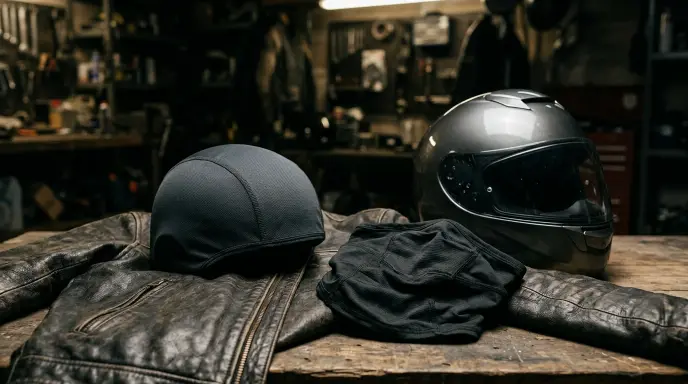
Motorcyclists sometimes wear a face covering beneath a helmet for comfort in cold or windy conditions. Several terms describe these accessories.
- Motorcycle balaclava – A balaclava designed for use under a motorcycle helmet.
- Helmet balaclava – A close-fitting covering worn beneath a helmet.
- Motorcycle face covering – A general term for a face covering used while riding.
- Riding balaclava – A covering intended for motorcycle or other riding activities.
- Thermal helmet liner – A warm layer worn under a helmet.
- Wind-resistant face mask – A face covering designed to reduce wind exposure.
- Motorcycle neck gaiter – A neck covering that may extend over the lower face.
- Helmet liner hood – A hood-style layer worn under suitable headgear.
- Cold-weather riding mask – A face covering intended for chilly riding conditions.
- Breathable riding balaclava – A balaclava designed to allow airflow.
- Moisture-wicking helmet liner – A liner designed to manage sweat.
- Full-head riding cover – A general term for a covering that extends over the head.
- Face-and-neck protector – A descriptive term for gear covering the face and neck.
- Stretch-fit helmet liner – A flexible layer designed to fit beneath a helmet.
- Winter riding hood – A hood-style accessory intended for cold-weather riding.
A face covering should fit comfortably under a helmet without affecting its fit, stability, or the rider’s vision. Always follow the helmet manufacturer’s guidance.
Other Name for Ski Mask in Fashion and Streetwear
Ski masks are also worn as fashion accessories. In this setting, alternative terms often describe the design, texture, or overall style.
- Knitted balaclava – A knitted head covering that adds texture to an outfit.
- Fashion balaclava – A balaclava selected for its appearance as well as its function.
- Designer balaclava – A fashion-oriented version created by a clothing designer or brand.
- Knit face hood – A knitted hood that covers part of the face.
- Winter face hood – A hood-style accessory for cold weather.
- Statement balaclava – A bold accessory intended to stand out.
- Minimalist balaclava – A simple design with few decorative details.
- Oversized balaclava – A roomier style with a relaxed appearance.
- Rib-knit face covering – A face covering with a ribbed knit texture.
- Hooded neck warmer – An accessory combining neck and head coverage.
- Textured knit hood – A hood featuring a visible knit pattern.
- Streetwear face covering – A broad description for a fashion-focused face accessory.
- Color-block balaclava – A design that combines contrasting colors.
- Layered winter headwear – A general term for headwear worn with other clothing layers.
- Fashion head sock – An informal description of a close-fitting head covering worn as an accessory.
If style matters as much as warmth, consider the garment’s color, fabric, fit, and how it works with the rest of your outfit.
Other Name for Ski Mask in Everyday Conversation
You may not need a technical term when talking with friends or describing winter clothing. These simple expressions are easy to understand.
- Face warmer – A casual term for an item that keeps the face warm.
- Winter face cover – A simple description of a face covering for cold weather.
- Cold-weather mask – A general term for a mask used in chilly conditions.
- Snow mask – A short expression associated with snowy weather.
- Head cover – A broad term for something worn over the head.
- Face hood – A hood-like garment that covers part of the face.
- Winter hood – A hood intended for cold weather.
- Warm face covering – A clear description emphasizing warmth.
- Head-and-neck cover – A covering that protects both areas.
- Outdoor face warmer – A face-warming accessory for outdoor use.
- Cold-weather headwear – A broad term for winter head coverings.
- Thermal hood – A hood designed to help retain warmth.
- Fabric face covering – A general description of fabric worn over the face.
- Winter head sock – An informal name for a close-fitting fabric covering.
- Snow-day face covering – A casual expression for a covering worn in snowy conditions.
For everyday use, balaclava is generally the clearest term. If someone does not recognize that word, describing it as a warm head-and-face covering can make the meaning easier to understand.
Other Name for Ski Mask for Different Weather Conditions
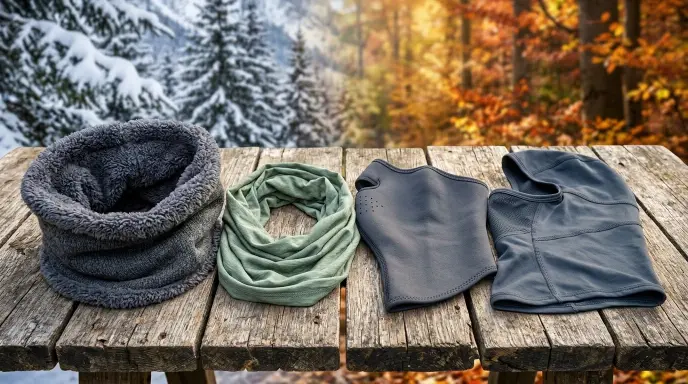
Not every face covering works equally well in every type of weather. The following terms help describe options for different conditions.
- Lightweight balaclava – A thinner option for cool weather or layering.
- Heavyweight balaclava – A thicker covering for colder conditions.
- Windproof balaclava – A design intended to reduce wind exposure.
- Water-resistant face covering – A covering designed to resist some moisture.
- Fleece winter mask – A soft covering suitable for cold conditions.
- Thermal face hood – A hood designed to help retain warmth.
- Breathable winter mask – A covering designed to allow airflow.
- Moisture-wicking balaclava – A garment designed to move sweat away from the skin.
- Insulated face mask – A covering with insulating material.
- All-weather face covering – A broad product description for varied outdoor conditions.
- Layering balaclava – A close-fitting covering designed to be worn under other clothing or equipment.
- Quick-drying face covering – A covering made from material intended to dry quickly.
- Cold-climate balaclava – A balaclava intended for colder environments.
- Mountain-weather face mask – A general term for face protection used in mountain conditions.
- Outdoor thermal hood – A warm hood intended for outdoor use.
Always check the manufacturer’s details before relying on a face covering for protection from wind, rain, or extreme cold. A product’s name alone does not guarantee its performance.
How to Choose the Right Alternative to a Ski Mask
Choosing the right term becomes easier when you know what the garment covers and how you plan to use it.
- Check the coverage. A balaclava generally covers the head and neck, while a neck gaiter usually focuses on the neck and lower face.
- Consider your activity. Skiers may prefer a ski balaclava, while motorcyclists may look for a helmet-compatible covering.
- Look at the material. Fleece, wool, and synthetic fabrics offer different levels of warmth, stretch, and moisture management.
- Match the weather. A lightweight covering may suit cool conditions, while a thicker option may be more comfortable in freezing weather.
- Check helmet compatibility. Choose a design that fits smoothly under your helmet without affecting its fit.
- Think about breathability. The fabric should allow comfortable breathing during the activity.
- Choose clear words when shopping. Searching for thermal balaclava with eye opening can be more helpful than using a broad term such as winter mask.
- Use accurate wording in writing. The word balaclava is more precise than face covering when describing this specific garment.
- Consider comfort. Look for a suitable fit, soft fabric, and seams that do not cause irritation.
- Read the product description. Confirm whether the garment covers the head, cheeks, nose, mouth, and neck.
The best alternative depends on the exact item. A balaclava, neck gaiter, helmet liner, and winter hood may serve related purposes, but they are not identical.
FAQs:
What is the most common other name for a ski mask?
Balaclava is the most common alternative. It usually describes a close-fitting garment that covers the head and neck and leaves an opening for part of the face.
Is a balaclava the same as a ski mask?
The terms often refer to the same type of garment. Ski mask is a familiar everyday name, while balaclava is common in clothing and outdoor gear descriptions. Designs differ in their coverage and opening styles.
What is the difference between a ski mask and a neck gaiter?
A ski mask or balaclava usually covers the head and neck. A neck gaiter is generally a tube-shaped accessory worn around the neck that can be pulled over the lower face. It usually does not cover the top of the head.
What is a ski mask called in winter sports?
It may be called a ski balaclava, snow sports face covering, or thermal balaclava. A helmet liner is another related accessory, but it may cover only the head rather than the face.
What material is best for a ski mask?
Fleece, merino wool, and synthetic thermal fabrics are common options. The best material depends on the temperature, activity, comfort, and moisture management you need.
Can you wear a ski mask under a motorcycle helmet?
Yes, a suitable balaclava can be worn under many motorcycle helmets. It should fit smoothly without affecting the helmet’s fit, stability, or the rider’s vision. Follow the helmet manufacturer’s instructions.
What is a full-face balaclava?
A full-face balaclava is designed to cover most of the face along with the head and neck. The opening varies by design, so check the product details to understand exactly how much of the face remains exposed.
What should I search for to find a warm face covering?
Try terms such as thermal balaclava, fleece face covering, winter face mask, or cold-weather balaclava. If you need coverage mainly around your neck and lower face, a fleece neck gaiter may be a better choice.
Conclusion:
The most common alternative to a ski mask is balaclava. Other related terms include thermal face covering, winter face mask, neck gaiter, and helmet liner.
Each describes a slightly different type of clothing or accessory.
When choosing a word, consider the garment’s design, material, coverage, and intended activity.
Use balaclava for a close-fitting head-and-face covering, neck gaiter for a tube-shaped neck accessory, and helmet liner for a layer worn beneath suitable headgear.
The right term will make your writing clearer and help you find the product that best fits your needs.

Hi, I’m Evelyn, a writer who enjoys creating simple, useful, and engaging content. I love finding interesting ideas and turning them into easy-to-read articles that people can enjoy and learn from.
My goal is to make every article clear, helpful, and enjoyable for readers. I believe good writing should feel natural, friendly, and easy to understand. Thank you for visiting my site, and I hope you enjoy reading my work!