
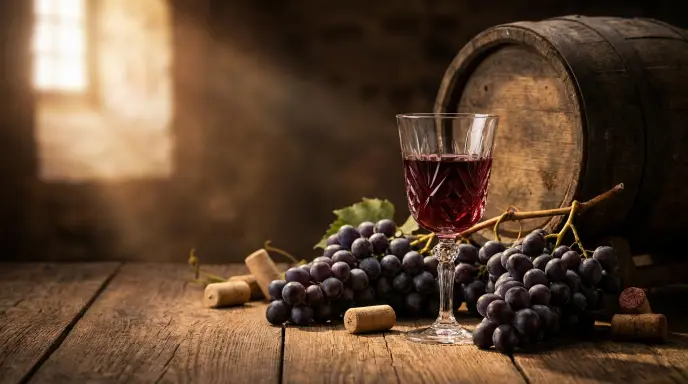
Wine has many names and expressions, depending on its type, origin, flavor, and the context in which it is discussed.
If you are searching for another name for wine, you may need a synonym for writing, a poetic expression, a traditional term, or a word that describes a particular kind of wine.
The right choice depends on how you plan to use it.
Common alternatives include vino, vintage, red, white, rosé, and fermented grape drink. However, these words do not all mean exactly the same thing.
Some are informal expressions, while others describe specific wine styles or characteristics.
In this guide, you will discover useful synonyms, creative expressions, historical terms, and related words for wine. You will also learn which alternatives work best in everyday conversation, formal writing, poetry, and different cultural settings.
Common Synonyms for Wine
If you need a simple alternative to the word wine, start with familiar terms and expressions. Some are direct references to wine, while others describe the drink more generally.
- Vino — An informal term for wine, borrowed from Italian and Spanish.
- Grape wine — Wine made by fermenting grapes.
- Fermented grape drink — A descriptive phrase that explains how traditional wine is produced.
- Vintage — A term associated with the year grapes were harvested or a wine was produced; it is not a universal synonym for wine.
- Red — An informal shorthand for red wine.
- White — A shortened way to refer to white wine.
- Rosé — A pink wine made using methods that limit color extraction from grape skins.
- Table wine — A term traditionally used for ordinary wine intended to accompany meals, though its legal meaning varies by country.
- Still wine — Wine without significant carbonation.
- Sparkling wine — Wine containing noticeable carbon dioxide bubbles.
- Fortified wine — Wine to which distilled spirits are added during or after fermentation.
- Dessert wine — A broad category of wines commonly served with dessert.
- Fruit wine — A fermented beverage made from fruit other than grapes.
- House wine — The wine a restaurant typically offers as its standard option.
- Regional wine — Wine associated with a particular geographic area.
For everyday conversation, vino is one of the easiest alternatives. For an informative article, grape wine or fermented grape drink is more descriptive.
Informal and Slang Terms for Wine
Informal expressions can add personality to a conversation, a fictional character’s dialogue, or a casual social post. Their meanings may vary by region and group.
- Vino — A casual, widely recognized alternative.
- Red stuff — A playful reference to red wine.
- White stuff — An informal reference to white wine.
- The grape — A casual expression based on wine’s main ingredient.
- Grape juice for grown-ups — A humorous expression, not a literal definition.
- The good bottle — A casual way to refer to a favored or special wine.
- Dinner wine — Wine associated with a meal.
- The house pour — An informal reference to a restaurant’s standard wine offering.
- A glass of red — A straightforward, conversational expression.
- A glass of white — A casual reference to white wine.
- Bubbly — An informal term often used for sparkling wine.
- The bottle — A context-dependent shorthand when the type of drink is already clear.
- A little rosé — A relaxed way to refer to rosé wine.
- The evening pour — A creative expression for wine served in the evening.
- A special bottle — A phrase for wine saved for an occasion.
These expressions are best used when the audience understands the context. For formal writing, use the precise wine category instead of slang.
Elegant and Sophisticated Words for Wine
Wine descriptions often use refined language to communicate style, tradition, and presentation. These expressions work well in creative writing, restaurant descriptions, and wine-related storytelling.
- Nectar — A poetic term for a delightful drink.
- Vintage selection — A collection chosen for its particular vintages.
- Fine wine — A general expression for wine considered high in quality.
- Estate wine — Wine associated with a winery’s estate, subject to the meaning used in its region.
- Cellar selection — A descriptive phrase for wine chosen from a cellar collection.
- Reserve wine — A term that may indicate a special selection, although its meaning and legal significance vary.
- Grand cru — A French classification term used in certain wine regions, not a universal synonym.
- Cuvée — A French term for a batch, blend, or particular wine selection, depending on context.
- Libation — A formal word for a drink, especially one associated with a ceremonial or social occasion.
- Vintage pour — A creative phrase for a serving of wine.
- Winemaker’s selection — A descriptive label for a wine selected by its producer.
- Cellar-aged wine — Wine stored for a period to develop or preserve certain characteristics.
- Celebration wine — A descriptive phrase for wine served at a special event.
- Signature vintage — A promotional or creative expression for a notable wine.
- Artisanal wine — A phrase often used for wine produced on a smaller or craft-oriented scale.
These expressions have different levels of precision. Terms such as cuvée, reserve, and grand cru have specific meanings in particular settings, so they should not be used interchangeably.
Poetic and Literary Names for Wine
Writers often use imagery and metaphor instead of naming a drink directly. These expressions can help create atmosphere in poems, novels, songs, and descriptive passages.
- Crimson nectar — A vivid image for red wine.
- Liquid ruby — A poetic reference to wine with a deep red color.
- Golden elixir — A literary expression for golden-colored wine.
- The grape’s gift — A metaphor highlighting wine’s connection to grapes.
- Autumn in a glass — An evocative phrase for a rich, seasonal wine.
- A ruby-colored pour — A visual description of red wine.
- Sunset in a glass — A poetic image for wine with warm pink or golden tones.
- The harvest’s reward — A phrase linking wine to the grape harvest.
- Liquid velvet — An expression suggesting a smooth texture.
- A vineyard’s treasure — A metaphor for a valued bottle.
- The fruit of the vine — A traditional expression associated with grapes and wine.
- A glass of golden light — A poetic description of pale, golden wine.
- The winemaker’s art — An expression emphasizing craftsmanship.
- A toast to the evening — A phrase connecting wine with a social occasion.
- The color of celebration — A figurative description for festive wine.
These are creative expressions rather than exact synonyms. They are useful when your goal is to create mood or imagery, not to provide a technical definition.
Names and Terms for Red Wine
Red wine is made from dark-colored grape varieties, with the color generally developing through contact between the juice and grape skins during production.
Here are common red wine varieties and related terms:
- Cabernet Sauvignon — A well-known red grape variety.
- Merlot — A red wine grape often associated with soft, rounded fruit flavors.
- Pinot Noir — A red grape variety known for wines that can be delicate and aromatic.
- Syrah — A red grape variety also called Shiraz in many markets.
- Shiraz — A name commonly used for Syrah, especially in Australia.
- Malbec — A red grape variety associated with deeply colored wines.
- Zinfandel — A red grape variety often used for bold, fruit-forward wines.
- Tempranillo — An important red grape variety in Spain.
- Sangiovese — A red grape variety strongly associated with Italian wine.
- Grenache — A red grape variety used in blends and single-variety wines.
- Nebbiolo — An Italian red grape variety associated with Barolo and Barbaresco.
- Gamay — The grape variety most closely associated with Beaujolais.
- Barbera — An Italian red grape variety known for its lively acidity.
- Carménère — A red grape variety associated particularly with Chilean wine.
- Mourvèdre — A red grape variety used in wines and blends in several regions.
These are grape varieties or names associated with particular wine styles, not synonyms for wine in general. If you need an alternative expression in a sentence, red wine or red is usually more appropriate.
Names and Terms for White Wine
White wine can be made from white or dark-skinned grapes, depending on the production method. It often has a pale yellow, straw, or golden appearance.
- Chardonnay — A widely grown white grape variety.
- Sauvignon Blanc — A white grape variety often associated with fresh, aromatic wines.
- Riesling — A white grape variety used for wines ranging from dry to sweet.
- Pinot Grigio — The Italian name for a style of wine made from Pinot Gris grapes.
- Pinot Gris — The French name for the same grape variety.
- Chenin Blanc — A white grape variety used in dry, sparkling, and sweet wines.
- Gewürztraminer — An aromatic white grape variety.
- Viognier — A white grape variety often associated with floral aromas.
- Albariño — A white grape variety associated with northwestern Spain.
- Grüner Veltliner — A white grape variety strongly associated with Austria.
- Sémillon — A white grape variety used in dry and sweet wines.
- Vermentino — A white grape variety grown in Mediterranean regions.
- Muscadet — A French wine appellation associated with the Melon de Bourgogne grape.
- Soave — An Italian wine appellation known for white wines.
- Fiano — An Italian white grape variety.
These terms are useful when you want to replace a general reference to wine with a more specific description.
Alternative Names for Rosé and Sparkling Wine
Some wine-related words describe color, production style, or carbonation rather than wine as a whole.
Rosé wine terms
- Pink wine — A simple description based on color.
- Rosado — A Spanish term for rosé wine.
- Rosato — An Italian term for rosé wine.
- Blush wine — A term often used for pale pink wines, especially in the United States.
- Pale rosé — A description of a light-colored rosé.
- Dry rosé — Rosé with little residual sugar.
- Off-dry rosé — Rosé with a noticeable but moderate level of sweetness.
- Sparkling rosé — Rosé wine with carbonation.
- Still rosé — Rosé without significant carbonation.
- Provençal-style rosé — A descriptive reference to a style associated with Provence in France.
Sparkling wine terms
- Champagne — Sparkling wine from the Champagne region of France that meets its applicable production requirements.
- Prosecco — Italian sparkling wine associated with a specific production region and rules.
- Cava — Spanish sparkling wine made under designated production requirements.
- Crémant — A term for certain French sparkling wines made outside Champagne.
- Sekt — A term used for sparkling wine in German-speaking markets.
- Asti — Italian sparkling wine associated with the Asti region.
- Franciacorta — An Italian sparkling wine designation.
- Pét-nat — An informal name for pétillant naturel, a sparkling wine style.
- Brut — A designation for a dry style of sparkling wine.
- Extra dry — A sparkling wine sweetness category that is typically sweeter than brut.
Remember that Champagne, Prosecco, and Cava are not interchangeable names for all sparkling wine. Each has its own regional or production identity.
Historical and Traditional Terms Related to Wine
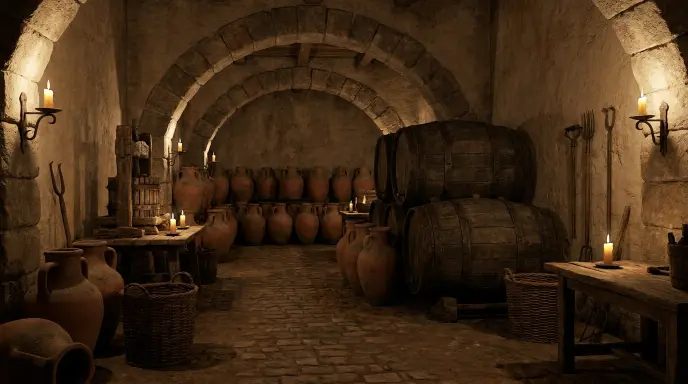
Wine has been part of food, trade, ceremony, and social life for thousands of years. Historical writing may use traditional terms that carry meanings beyond the drink itself.
- Vin — The French word for wine.
- Vino — The Italian and Spanish word for wine.
- Wein — The German word for wine.
- Vinho — The Portuguese word for wine.
- Vinum — The Latin word for wine.
- Oinos — A transliteration of the ancient Greek word oînos for wine.
- Sacramental wine — Wine used in certain Christian religious ceremonies.
- Communion wine — Wine used in Christian Communion services where the tradition includes it.
- Mulled wine — Wine heated with spices and often fruit.
- Hippocras — A historical spiced wine drink.
- Claret — A traditional English term commonly used for red Bordeaux wine.
- Madeira — A fortified wine associated with the Portuguese island of Madeira.
- Port — A fortified wine associated with Portugal’s Douro region.
- Sherry — A fortified wine associated with the Jerez region of Spain.
- Vermouth — An aromatized, fortified wine flavored with botanicals.
These words can add historical or cultural detail, but many refer to specific drinks or categories rather than wine in general.
International Words for Wine
If you are writing about wine across languages or cultures, the local word may be the best alternative.
| Language | Word for wine |
|---|---|
| Spanish | Vino |
| Italian | Vino |
| French | Vin |
| Portuguese | Vinho |
| German | Wein |
| Dutch | Wijn |
| Swedish | Vin |
| Danish | Vin |
| Norwegian | Vin |
| Romanian | Vin |
| Greek | Krasi |
| Turkish | Şarap |
| Russian | Vino |
| Polish | Wino |
| Czech | Víno |
| Hungarian | Bor |
| Finnish | Viini |
| Japanese | Wain |
| Korean | Wain |
| Chinese | Pútáojiǔ |
Pronunciation and transliteration can vary, especially when a word is written using a different alphabet. In Japanese, Korean, and Chinese, the terms shown are common transliterations or pronunciations rather than English-style synonyms.
Words Associated With Wine Flavor and Appearance
Sometimes the most useful alternative is not another name for wine but a descriptive term that tells readers what the wine looks, smells, or tastes like.
- Fruity — Suggests fruit aromas or flavors.
- Dry — Indicates little residual sugar, although acidity can influence how a wine tastes.
- Sweet — Describes a wine with noticeable sweetness.
- Tannic — Refers to the drying, gripping sensation caused partly by tannins.
- Oaky — Suggests flavors or aromas associated with oak aging.
- Floral — Describes aromas reminiscent of flowers.
- Crisp — Often used for wines with refreshing acidity.
- Full-bodied — Describes a wine that feels relatively rich or substantial in the mouth.
- Light-bodied — Describes a wine that feels relatively light.
- Earthy — Suggests aromas or flavors reminiscent of soil, forest, or minerals.
- Spicy — Describes spice-like aromas or flavors.
- Mineral — A tasting term used to describe impressions such as stone or chalk.
- Aromatic — Describes a wine with pronounced aromas.
- Velvety — Suggests a smooth, soft texture.
- Robust — Describes a wine with a powerful or substantial character.
These adjectives are especially useful for restaurant menus, tasting notes, product descriptions, and wine reviews.
Creative Expressions for Wine in Writing

If you are looking for a fresh phrase rather than a literal synonym, creative expressions can help your writing sound more vivid.
- A bottle from the vineyard — Emphasizes where the drink originates.
- The evening’s red — A concise reference to red wine served at dinner.
- A harvest-inspired drink — Highlights the connection between grapes and the harvest.
- A carefully aged bottle — Describes wine that has been aged with intention.
- A glass of the vintage — A literary expression associated with a particular vintage.
- A vineyard-crafted pour — A promotional phrase emphasizing production.
- A sparkling toast — A celebratory expression often used for sparkling wine.
- A deep ruby drink — A visual phrase for red wine.
- A pale golden pour — A descriptive phrase for some white wines.
- A pink-hued glass — A visual reference to rosé.
- A traditional grape ferment — A descriptive phrase for wine production.
- A bottle for the occasion — A general phrase for wine chosen for an event.
- The winemaker’s creation — Emphasizes the producer’s work.
- A taste of the vineyard — A figurative expression linking the drink to its origin.
- A glass of tradition — A phrase that suggests heritage and custom.
Use these expressions selectively. In factual writing, direct terminology is clearer than a string of poetic descriptions.
How to Choose the Right Alternative for Wine
The best word depends on what you want to communicate. Before replacing the word wine, consider these practical points.
1. Think About the Context
For casual conversation, vino may sound natural. In a scientific or educational article, fermented grape drink is more descriptive. In a restaurant menu, naming the grape variety or wine style may give readers more useful information.
2. Be Precise About the Type
Wine, sparkling wine, fortified wine, and fruit wine are different categories. If you mean a specific type, name it directly rather than using a broad or inaccurate synonym.
3. Match the Tone
Choose language that suits your audience.
- Casual writing: Vino, a glass of red, or bubbly.
- Formal writing: Wine, grape wine, or the specific wine category.
- Poetry: Liquid ruby, golden nectar, or the fruit of the vine.
- Restaurant descriptions: Dry rosé, full-bodied red, or sparkling wine.
- Historical writing: Vinum, claret, or a historically appropriate term.
4. Consider Cultural Meaning
Words such as sacramental wine and Communion wine carry religious meaning. Terms such as Champagne, Port, and Sherry also have specific regional associations. Use them only when they fit the subject.
5. Avoid Using Related Words as Exact Synonyms
A vintage is associated with a harvest year, while a reserve may describe a particular selection. A grape variety identifies the type of grape, and a flavor adjective describes a characteristic. Understanding these differences will help you choose a word that communicates exactly what you mean.
FAQs:
What is another word for wine?
Vino is one of the most common alternatives. Depending on context, you can also use grape wine, red wine, white wine, or a more specific term such as sparkling wine.
What is a fancy word for wine?
Words such as nectar, libation, and vintage selection can sound elegant in creative writing. However, nectar and libation are broader or figurative terms, while vintage has a more specific meaning in the wine industry.
Is vino another name for wine?
Yes. Vino means wine in Italian and Spanish and is also used informally in English. It is a useful alternative in casual conversation.
What is a slang word for wine?
Vino is a familiar informal term. Expressions such as the red stuff, the bottle, and bubbly may also be used casually, although their meanings depend on context.
What is the old-fashioned word for wine?
Claret is a traditional English term associated with red Bordeaux wine. Vinum is the Latin word for wine, and hippocras refers to a historical spiced wine drink.
What is another name for red wine?
In casual conversation, people may simply say red or a glass of red. For greater precision, they may refer to a particular variety, such as Cabernet Sauvignon, Merlot, or Pinot Noir.
What is the difference between wine and vintage?
Wine is the beverage itself. A vintage generally refers to the year the grapes were harvested, although the term can also describe a wine from that year. The two words are related but are not interchangeable in every sentence.
Can fruit wine be called grape wine?
No. Grape wine is made from grapes, while fruit wine is made from other fruits, such as apples, berries, or cherries. Both involve fermentation, but the ingredients differ.
Conclusion:
There are many alternatives for wine, from the everyday word vino to descriptive terms such as grape wine, sparkling wine, and fortified wine.
Poetic expressions such as liquid ruby can add color to creative writing, while international terms and historical names offer cultural depth.
Choose your wording based on the purpose of your writing. If accuracy matters, use the specific wine category.
If you want a casual tone, try an informal expression. And if you are writing poetry or storytelling, a vivid metaphor can help create the mood you want.

Hi, I’m Evelyn, a writer who enjoys creating simple, useful, and engaging content. I love finding interesting ideas and turning them into easy-to-read articles that people can enjoy and learn from.
My goal is to make every article clear, helpful, and enjoyable for readers. I believe good writing should feel natural, friendly, and easy to understand. Thank you for visiting my site, and I hope you enjoy reading my work!