
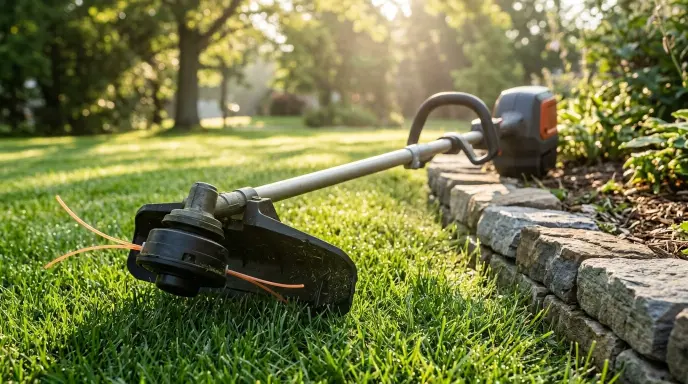
A weed wacker is a handy lawn care tool used to trim grass, cut weeds, and tidy areas that a lawn mower cannot reach.
You might use one along fences, around trees, beside sidewalks, or near garden beds.
If you are searching for another name for a weed wacker, you may have noticed that people and manufacturers use several different terms for this tool.
The most common alternative is string trimmer, but you may also hear weed trimmer, line trimmer, grass trimmer, or weed eater.
Some names refer to specific designs, while others are regional terms or brand names that people use in everyday conversation.
This guide explains the most common names, how the tools differ, and which type may work best for your yard.
What Is Another Name for Weed Wacker?
The term weed wacker is widely used in American English, but it is not the only name for this lawn care tool. Most alternatives describe a machine that uses a rapidly spinning cutting line to trim grass and weeds.
Here are the most common names:
- String trimmer: The most widely recognized general term for a tool that cuts with a spinning nylon line.
- Weed eater: A familiar American term often used interchangeably with weed wacker.
- Weed trimmer: A straightforward name that describes the tool’s main purpose.
- Line trimmer: A common term that highlights the cutting line.
- Grass trimmer: A name often used for trimming grass around lawn edges and obstacles.
- Lawn trimmer: A broad term for a tool used to maintain lawn edges and small areas.
- Grass cutter: A general phrase that can describe several types of grass-cutting tools.
- String cutter: An informal name that refers to the rotating cutting string.
- Power trimmer: A general term for an electrically powered or gas-powered trimming tool.
- Garden trimmer: A broader label used for trimming grass and light vegetation around gardens.
For most everyday situations, string trimmer is the best general alternative to weed wacker. It is clear, widely understood, and commonly used in product descriptions.
Is a Weed Wacker the Same as a String Trimmer?
Yes. In ordinary conversation, a weed wacker and a string trimmer usually mean the same type of tool. Both commonly use a rotating nylon line to cut grass and weeds.
The main difference is the wording. Weed wacker is a familiar everyday term, while string trimmer is often used in product descriptions, manuals, and lawn care discussions.
A string trimmer is useful for reaching places that a lawn mower cannot handle easily. It can cut grass around fence posts, garden borders, tree trunks, and other obstacles.
Some trimmers can also use compatible plastic blades or other approved cutting attachments. These models may handle tougher vegetation, but you should always follow the manufacturer’s instructions and use only attachments designed for your machine.
Popular Names for Weed Wackers
Several names are commonly used for this tool in homes, hardware stores, and landscaping businesses. The wording may vary by region or manufacturer.
- String trimmer: A standard name for a line-based trimming tool.
- Weed eater: A familiar term used in many American households.
- Weed wacker: A common informal name for the same tool.
- Weed whacker: An alternative spelling of weed wacker.
- Weed trimmer: A descriptive name focused on weed removal.
- Line trimmer: A common term in lawn care and gardening.
- Grass trimmer: A useful name for trimming lawn edges.
- Lawn edger: A related tool used to create clean borders along lawns and walkways.
- Brush cutter: A heavier tool designed for tougher growth when properly equipped.
- Power trimmer: A broad name for a powered trimming device.
- Garden trimmer: A general gardening term.
- Cordless trimmer: A description of a battery-powered model without a power cord.
- Electric trimmer: A trimmer powered by electricity, either through a cord or a battery depending on the model.
- Gas-powered trimmer: A model that runs on gasoline.
- Commercial trimmer: A model designed for frequent or demanding professional use.
These terms are not all exact synonyms. For example, a lawn edger is designed mainly to create defined borders, while a brush cutter is intended for thicker vegetation than a standard string trimmer may handle.
Different Types of Weed Wackers and Their Names
Weed wackers come in several designs. Knowing the type can help you choose the right tool for your lawn, garden, or landscaping work.
Corded Electric String Trimmers
Corded electric trimmers use a power cord connected to an electrical outlet. They are often lightweight and suitable for smaller yards with easy access to electricity.
- Electric string trimmer
- Corded weed trimmer
- Plug-in grass trimmer
- Electric lawn trimmer
- Corded line trimmer
- Plug-in weed wacker
- Electric garden trimmer
- Lightweight electric trimmer
- Residential electric trimmer
- Power-cord grass cutter
These labels describe similar corded tools, although features and cutting widths can vary. The main limitation is the cord, which can restrict movement and requires care around the cutting head.
Battery-Powered Weed Wackers
Battery-powered models are cordless, so you can move around the yard without dragging an extension cord. They are convenient for routine trimming and small to medium-sized lawns.
- Cordless string trimmer
- Battery-powered weed wacker
- Rechargeable grass trimmer
- Cordless line trimmer
- Battery lawn trimmer
- Cordless weed eater
- Lithium-ion string trimmer
- Battery garden trimmer
- Portable grass trimmer
- Cordless edging trimmer
Battery runtime depends on the model, battery capacity, cutting conditions, and how heavily the tool is used. If you have a large yard, you may want an extra compatible battery.
Gas-Powered Weed Wackers
Gas-powered trimmers use an engine and are often chosen for larger properties or demanding trimming jobs. They do not depend on an electrical outlet or battery charge, but they require fuel and engine maintenance.
- Gas string trimmer
- Gas-powered weed wacker
- Gas weed eater
- Gas line trimmer
- Gas lawn trimmer
- Gas grass cutter
- Petrol-powered trimmer
- Engine-powered weed trimmer
- Gas garden trimmer
- Professional gas trimmer
Gas models can be louder and heavier than many electric models. Always follow the operating instructions, use the recommended fuel, and wear suitable protective equipment.
Weed Wacker vs. Weed Eater vs. Weed Whacker
These three terms are often used to describe the same tool. The differences mostly involve spelling, branding, and regional habits.
| Term | Common Meaning | Usage |
|---|---|---|
| Weed wacker | A string trimmer | Informal American English |
| Weed whacker | A string trimmer | Alternative spelling |
| Weed eater | A string trimmer | Common American term |
| String trimmer | A line-based grass and weed cutter | General product and lawn care term |
| Line trimmer | A line-based grass cutter | Common in several English-speaking regions |
| Grass trimmer | A tool for trimming grass | General gardening term |
The name Weed Eater originated as a brand name. People often use brand names as everyday terms for products, but not every weed wacker is made by that brand.
If you are shopping online, searching for string trimmer or weed trimmer can help you find a broad range of models rather than products from only one manufacturer.
Weed Wacker vs. Brush Cutter
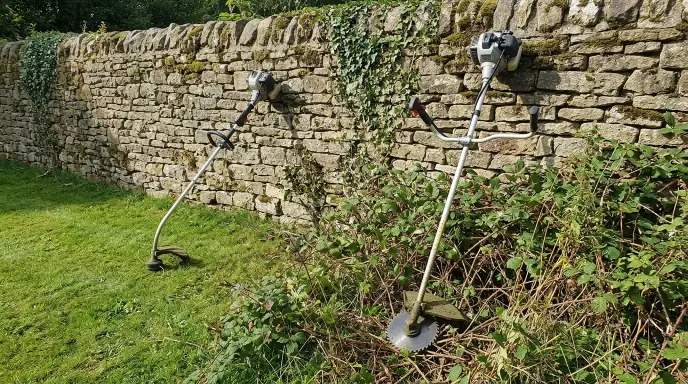
A weed wacker and a brush cutter can look similar, but they are designed for different jobs.
A standard string trimmer usually uses a flexible nylon line to cut grass and light weeds.
A brush cutter is generally built for thicker vegetation and may use a compatible blade or other specialized cutting attachment.
Here are some related names you may see:
- String trimmer
- Brush trimmer
- Brush cutter
- Heavy-duty trimmer
- Clearing saw
- Grass brush cutter
- Blade-equipped trimmer
- Field trimmer
- Vegetation cutter
- Professional brush cutter
The right choice depends on what you need to cut. A string trimmer is usually enough for lawn edges and ordinary weeds. Thick brush, woody stems, and overgrown areas may call for a suitable brush cutter.
Never install a metal blade on a trimmer unless the manufacturer specifically approves that attachment for the exact model. Using an incompatible blade can cause serious injury.
Weed Wacker vs. Lawn Edger
A string trimmer can tidy lawn edges, but it is not always the best tool for creating a sharp, defined border. A lawn edger is designed specifically for that purpose.
These are common names for related edging tools:
- Lawn edger
- Grass edger
- Walkway edger
- Sidewalk edger
- Garden bed edger
- Electric lawn edger
- Cordless lawn edger
- Gas-powered edger
- Stick edger
- Wheeled lawn edger
A string trimmer is more versatile for cutting grass around obstacles and reaching uneven areas.
A dedicated edger is useful when you want a crisp line between the lawn and a driveway, sidewalk, or garden bed.
Some combination tools can perform both trimming and edging. Check the manufacturer’s specifications to confirm whether a particular model supports both functions.
What Is a Weed Wacker Called in Different Regions?
The name can change depending on where you live. The basic tool is similar, but local terminology may differ.
- United States: Weed wacker, weed whacker, weed eater, and string trimmer are all familiar.
- United Kingdom: Grass trimmer and strimmer are commonly used.
- Australia: Line trimmer and whipper snipper are familiar terms.
- New Zealand: Line trimmer and weed eater may be used, depending on the speaker.
- Canada: String trimmer, weed trimmer, and weed wacker are common.
- Ireland: Strimmer is a familiar everyday term.
- South Africa: Brush cutter and line trimmer may be used, depending on the tool and task.
Regional terms are not always exact equivalents. For instance, brush cutter often refers to a more powerful machine intended for heavier growth, while strimmer usually refers to a standard grass-trimming tool.
If you are searching for a product in another country, try both the local term and string trimmer to find more options.
Other Lawn Care Tools Related to a Weed Wacker
A weed wacker is part of a larger group of lawn and garden tools. Some related equipment can perform similar jobs, but each tool has a different purpose.
- Lawn mower: Cuts larger areas of grass to a consistent height.
- Lawn edger: Creates clean boundaries along paths and driveways.
- Brush cutter: Handles tougher vegetation when fitted with the correct attachment.
- Hedge trimmer: Cuts and shapes hedges and shrubs.
- Pole saw: Trims branches that are out of reach.
- Pruning shears: Cut small stems and branches by hand.
- Garden shears: Trim grass and plants in small areas.
- Rotary lawn mower: Uses a rotating blade to cut lawn grass.
- Reel mower: Uses rotating blades to cut grass as the mower moves.
- Cultivator: Loosens and works soil rather than trimming grass.
If you need to trim grass around a tree or fence, a string trimmer is usually the practical option. If your main goal is to create a clean edge along a sidewalk, an edger may produce a more precise result.
How to Choose the Right Weed Wacker
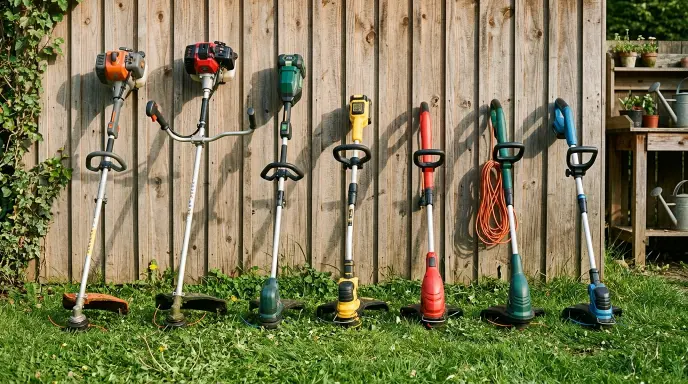
The best model depends on your yard, the type of vegetation you need to cut, and how often you plan to use the tool.
Consider Your Yard Size
For a small yard, a lightweight corded or battery-powered trimmer may be enough. A larger property may benefit from a cordless model with a higher-capacity battery or a gas-powered machine.
Think About the Vegetation
A standard nylon-line trimmer works well for grass and many ordinary weeds. Thick, woody growth may require a brush cutter specifically designed for that work.
Check the Weight and Comfort
A lighter tool can be easier to carry around flower beds and trees. For longer jobs, look for a comfortable handle, a suitable balance, and an adjustable shoulder strap if the model supports one.
Choose the Right Power Source
- Corded electric: Useful for small areas near an outlet.
- Battery-powered: Offers freedom of movement and simpler routine operation.
- Gas-powered: Can suit demanding jobs and larger properties, but needs more maintenance.
Review the Cutting Width
A wider cutting path can cover more ground in less time, while a narrower tool may offer better control in tight spaces. Check the cutting width and recommended line size before purchasing replacement parts.
Follow Safety Instructions
Wear eye protection, sturdy footwear, and any other protective equipment recommended by the manufacturer.
Keep people and pets away from the cutting area because the tool can throw stones and debris. Turn the machine off and disconnect its power source before clearing a blockage or replacing the cutting line.
FAQs:
What is the most common alternative name for a weed wacker?
The most common alternative is string trimmer. Other familiar names include weed eater, weed whacker, weed trimmer, and line trimmer. These terms usually refer to a tool that cuts grass and weeds with a spinning line.
Is a weed wacker called a strimmer?
Yes. Strimmer is a common term in the United Kingdom and Ireland for a grass-trimming tool. It generally refers to the same type of equipment as a string trimmer.
Is a weed wacker the same as a grass trimmer?
Usually, yes. Both terms often describe a handheld tool that trims grass with a rotating cutting line. Product designs vary, so check the specifications when choosing a particular model.
What is the difference between a weed wacker and a brush cutter?
A weed wacker typically uses nylon line for grass and lighter weeds. A brush cutter is designed for tougher vegetation and may use a suitable blade or specialized attachment. Some machines support both functions, but only approved attachments should be used.
Why do people call it a weed eater?
Weed Eater began as a brand name, and the phrase became a common everyday term for string trimmers. People may use it to describe the tool even when it is made by another manufacturer.
What is a weed wacker called in Australia?
In Australia, whipper snipper and line trimmer are familiar names. The exact term may vary by region and personal preference.
Can a weed wacker cut lawn edges?
Yes. A string trimmer can tidy grass along fences, trees, paths, and garden borders. For a sharply defined edge along a sidewalk or driveway, a dedicated lawn edger may work better.
Which type of weed wacker is best for home use?
For many homeowners, a battery-powered string trimmer offers a useful balance of convenience, mobility, and simple maintenance. A corded model may suit a small yard, while a gas-powered model can be helpful for larger or more demanding jobs.
Conclusion:
The most widely understood alternative name for a weed wacker is string trimmer.
You may also hear weed eater, weed whacker, weed trimmer, grass trimmer, or line trimmer. In the United Kingdom, strimmer is common, while Australians often say whipper snipper.
Although these names often refer to the same basic tool, related equipment such as brush cutters and lawn edgers serves different purposes.
Choose the term that fits your location and task, and check the product specifications before buying. The right tool will make trimming grass, cleaning up lawn edges, and maintaining your yard much easier.

Hi, I’m Evelyn, a writer who enjoys creating simple, useful, and engaging content. I love finding interesting ideas and turning them into easy-to-read articles that people can enjoy and learn from.
My goal is to make every article clear, helpful, and enjoyable for readers. I believe good writing should feel natural, friendly, and easy to understand. Thank you for visiting my site, and I hope you enjoy reading my work!