

If you are searching for the generic name for Spiriva, the answer is tiotropium bromide.
Spiriva is a brand-name prescription medication used to help manage certain long-term breathing conditions, especially chronic obstructive pulmonary disease (COPD).
It helps relax the muscles around the airways, making it easier for air to move in and out of the lungs.
Tiotropium belongs to a group of medicines called long-acting muscarinic antagonists, or LAMAs. These medications help keep the airways open and reduce breathing difficulties over time.
Certain Spiriva products are also approved for asthma maintenance treatment.
Understanding the generic drug name can help you discuss affordable treatment options with your pharmacist or doctor.
In this guide, you will learn about tiotropium, its uses, available inhalers, possible side effects, generic alternatives, and important safety information.
What Is the Generic Name for Spiriva?
The generic name for Spiriva is tiotropium bromide, commonly called tiotropium. It is the active ingredient that produces the medication’s main effects.
Spiriva is the brand name, while tiotropium identifies the drug itself. Generic products may be available at a lower cost, depending on the formulation, pharmacy, and insurance coverage.
Here are the key facts about this medication:
- Brand name: Spiriva
- Generic name: Tiotropium bromide
- Drug class: Long-acting muscarinic antagonist (LAMA)
- Main use: Long-term management of certain respiratory conditions
- Common conditions treated: COPD and, for certain products, asthma
- Available forms: Dry-powder inhaler and soft-mist inhaler
- Prescription status: Prescription medication
Tiotropium is not a steroid or an antibiotic. It works by blocking specific receptors that cause the muscles surrounding the airways to tighten. This helps relax the airways and improve airflow.
The exact formulation matters because different inhalers may have different instructions, approved uses, and generic availability.
How Does Tiotropium Work in the Lungs?
Tiotropium helps the airways stay open by blocking the effects of acetylcholine, a chemical messenger involved in airway muscle contraction.
When these signals are blocked, the muscles surrounding the breathing passages relax. This process is called bronchodilation.
As a result, some people experience less wheezing, chest tightness, and shortness of breath during everyday activities.
Tiotropium is a long-acting medicine designed to provide ongoing symptom control. It is generally taken once daily as prescribed.
It does not cure COPD, reverse lung damage, or provide immediate relief during a sudden breathing emergency. People who need a rescue inhaler should continue to follow their prescribed treatment plan.
Is Generic Spiriva Available?
Yes, generic versions of certain Spiriva formulations are available in the United States.
However, generic availability depends on the specific inhaler rather than the brand name alone.
- Spiriva HandiHaler: An approved generic equivalent is available.
- Spiriva Respimat: Availability and substitution options differ from those for HandiHaler.
- Other tiotropium products: Availability varies by country, manufacturer, and formulation.
Spiriva HandiHaler uses capsules containing dry-powder medication. Respimat uses a cartridge that delivers a soft mist. These devices work differently and have different instructions.
A generic version of one inhaler should not automatically be considered a replacement for another.
If you want to switch to a lower-cost option, ask your pharmacist whether an appropriate generic equivalent is available for your current prescription.
What Is the Difference Between Spiriva and Tiotropium?
Spiriva and tiotropium are closely related terms, but they do not mean exactly the same thing.
Spiriva is a brand name for particular inhaler products. Tiotropium is the active drug contained in those products.
| Feature | Spiriva | Tiotropium |
|---|---|---|
| Meaning | Brand name | Generic drug name |
| Active ingredient | Tiotropium bromide | Tiotropium |
| Main purpose | Long-term breathing management | Same purpose when used in an appropriate equivalent product |
| Formulations | HandiHaler and Respimat | Depends on the specific product |
| Cost | Depends on coverage and pharmacy | May be lower for an available generic equivalent |
An approved generic equivalent is expected to provide the same clinical benefit and safety as its reference product when used as directed.
However, the inhaler device, dosage, and approved use still matter. Always confirm that a proposed replacement is suitable for your prescription.
What Conditions Does Spiriva Treat?
Tiotropium is mainly used to manage certain chronic respiratory conditions. It helps improve airflow and control symptoms over time.
Chronic Obstructive Pulmonary Disease
Chronic obstructive pulmonary disease, or COPD, is a long-term lung condition that makes breathing difficult. It includes chronic bronchitis and emphysema.
People with COPD may experience coughing, wheezing, mucus production, and shortness of breath. Tiotropium helps relax the airways and may improve daily breathing and reduce the risk of symptom flare-ups.
Chronic Bronchitis
Chronic bronchitis involves ongoing inflammation of the airways and often causes a persistent cough with mucus.
When chronic bronchitis occurs as part of COPD, tiotropium may help improve airflow and manage breathing symptoms. It does not directly cure the underlying condition.
Emphysema
Emphysema damages the small air sacs in the lungs, reducing their ability to move oxygen efficiently.
Tiotropium cannot repair damaged air sacs. However, by relaxing the airway muscles, it may help people with emphysema-related COPD breathe more comfortably.
Asthma
Certain Spiriva Respimat products are approved as additional maintenance treatment for asthma in eligible patients.
Tiotropium may be prescribed when other asthma treatments do not provide enough control. It is not a replacement for prescribed rescue medication or other necessary asthma treatments.
What Are the Different Forms of Spiriva?
Spiriva is available in two main inhaler formats. Understanding their differences can help you use your prescription correctly.
Spiriva HandiHaler
HandiHaler is a dry-powder inhaler that uses medication capsules.
The capsule is placed inside the designated device, and the medication is inhaled through the mouth. The capsule is designed for inhalation and must never be swallowed.
Important points include:
- It uses capsules containing tiotropium powder.
- It requires the correct inhalation technique.
- The capsule must be used with the appropriate device.
- An approved generic equivalent may be available.
Spiriva Respimat
Respimat is a soft-mist inhaler that delivers medication as a fine mist.
It uses a medication cartridge and requires specific preparation and inhalation steps.
Important points include:
- It delivers medication as a soft mist.
- It uses a different device from HandiHaler.
- It requires the correct technique to deliver the prescribed dose.
- Its substitution options may differ from those of HandiHaler.
Always follow the instructions supplied with your particular inhaler. A pharmacist can demonstrate how to prepare and use the device correctly.
What Are the Alternatives to Spiriva?
Several medications may be used to manage COPD or other respiratory conditions. Some work in a similar way to tiotropium, while others contain different ingredients.
Possible alternatives include:
- Incruse Ellipta: Contains umeclidinium, another long-acting muscarinic antagonist.
- Tudorza Pressair: Contains aclidinium, a long-acting medicine that relaxes the airways.
- Atrovent: Contains ipratropium, a shorter-acting anticholinergic medication.
- Stiolto Respimat: Combines tiotropium with olodaterol, a long-acting beta agonist.
- Anoro Ellipta: Combines umeclidinium with vilanterol.
These medications are not all direct generic substitutes for Spiriva. Some contain different active ingredients or combinations of drugs.
Your healthcare professional can help determine which treatment best fits your condition, symptoms, inhaler technique, and budget.
What Are the Common Side Effects of Tiotropium?
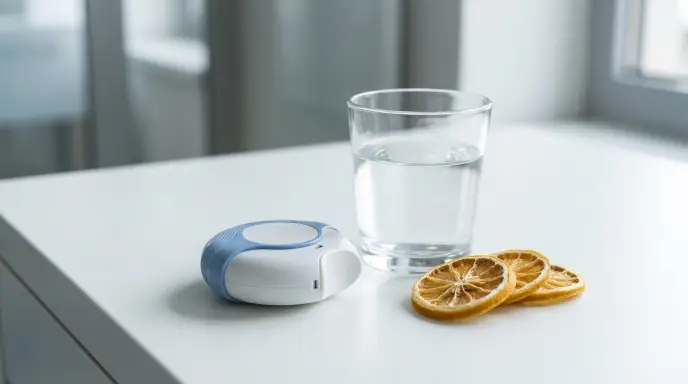
Tiotropium can cause side effects, although not everyone experiences them. Some are mild, while others may require medical attention.
Commonly reported side effects include:
- Dry mouth
- Constipation
- Indigestion
- Stomach discomfort
- Runny nose
- Sneezing
- Nosebleeds
- Muscle aches
Dry mouth is one of the more recognized side effects. Drinking water regularly, when appropriate for your health, and maintaining good oral hygiene may help reduce discomfort.
Contact your healthcare professional if side effects persist, worsen, or interfere with your daily activities.
Serious Side Effects to Watch For
Although less common, some reactions can be serious.
Seek medical attention if you experience:
- Sudden worsening of breathing immediately after using the inhaler
- Swelling of the face, lips, tongue, or throat
- Severe allergic symptoms
- Eye pain or blurred vision
- Seeing halos around lights
- Difficulty passing urine
- A fast or irregular heartbeat
Sudden severe breathing difficulty or signs of a serious allergic reaction require emergency care.
Keep the medication out of your eyes. Tiotropium can worsen certain eye conditions, particularly narrow-angle glaucoma.
Who Should Be Careful When Using Spiriva?
Tiotropium may not be appropriate for everyone. Before starting treatment, tell your doctor about your medical history and any medicines you currently take.
Discuss the medication with your healthcare professional if you have:
- Narrow-angle glaucoma
- An enlarged prostate
- Difficulty emptying your bladder
- Kidney disease
- A history of allergies to tiotropium, ipratropium, or related ingredients
- Pregnancy or plans to become pregnant
- Breastfeeding considerations
You should also mention any other inhalers, prescription medications, over-the-counter products, vitamins, or supplements you use.
Certain anticholinergic medicines can increase the risk of side effects when taken together. Your healthcare professional can review your medications and determine whether any changes are needed.
Do not stop or change your prescribed treatment without professional advice.
How Should You Use Spiriva or Generic Tiotropium?
Correct inhaler technique helps ensure the medicine reaches your lungs.
Follow these general guidelines:
- Read the instructions. HandiHaler and Respimat have different operating procedures.
- Use the prescribed dose. Taking more medication does not necessarily improve breathing and may increase side effects.
- Follow your daily schedule. Tiotropium is generally prescribed once daily for maintenance treatment.
- Keep the device clean. Follow the product instructions for cleaning, storage, and replacement.
- Ask for a demonstration. Your pharmacist can help you learn the correct inhalation technique.
- Keep rescue medication available if prescribed. Tiotropium does not replace a rescue inhaler during a sudden breathing attack.
If you miss a dose, follow the instructions for your particular product. Do not take an extra dose to make up for the missed one.
If you are uncertain about the correct dose or how to use your inhaler, contact your pharmacist or healthcare professional.
How Can You Find an Affordable Generic Version of Spiriva?
Medication costs can vary widely depending on the pharmacy, insurance plan, location, and product.
If you want to reduce your expenses, consider the following options.
- Ask about generic availability. Find out whether an approved generic equivalent exists for your prescribed inhaler.
- Compare pharmacy prices. Different pharmacies may charge different amounts.
- Check insurance coverage. Your plan may cover one formulation or manufacturer more favorably than another.
- Ask about assistance programs. You may qualify for a medication savings or financial assistance program.
- Review your prescription with your doctor. Another suitable treatment may be more affordable.
- Confirm the exact formulation. Make sure a lower-cost option is appropriate for your prescription.
Avoid choosing an inhaler based on price alone. The active ingredient, delivery device, and prescribed use must all be suitable for your medical needs.
How to Choose the Right Tiotropium Product
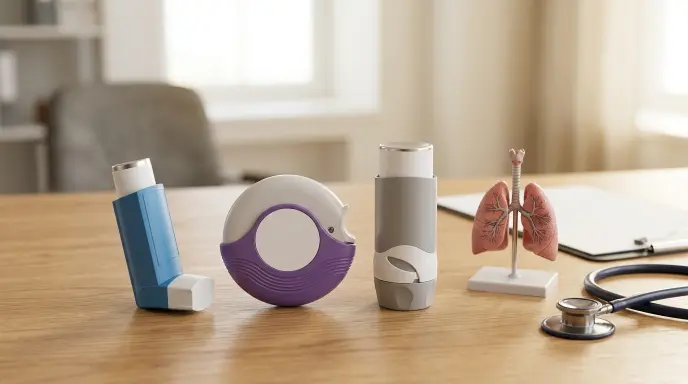
Choosing the right product involves more than comparing brand names and prices. Your symptoms, diagnosis, medical history, and ability to use the inhaler all matter.
Consider these factors when discussing your options with a healthcare professional.
- Your condition: The medication must be appropriate for your diagnosis.
- The inhaler type: Choose a device you can operate correctly.
- Generic availability: Ask whether a suitable generic equivalent exists.
- Cost: Compare your insurance coverage and out-of-pocket expenses.
- Other medicines: Review potential interactions and overlapping ingredients.
- Daily routine: Make sure you understand when and how to take the medication.
- Medical guidance: Confirm any switch with your doctor or pharmacist.
A pharmacist can help you compare suitable products and explain how to use your chosen inhaler safely.
FAQs:
What is the generic name for Spiriva?
The generic name is tiotropium bromide, often shortened to tiotropium. It is a long-acting medication that helps relax the airways and manage certain chronic breathing conditions.
Is tiotropium the same as Spiriva?
Tiotropium is the active drug, while Spiriva is a brand name for specific inhaler products containing that drug. An approved generic equivalent may be available for certain formulations.
Is there a generic version of Spiriva HandiHaler?
Yes. An approved generic equivalent of Spiriva HandiHaler is available in the United States. Ask your pharmacist whether it is suitable for your prescription and available at your pharmacy.
Is Spiriva Respimat the same as HandiHaler?
No. Both deliver tiotropium, but they use different inhaler systems. HandiHaler uses medication capsules containing dry powder, while Respimat delivers a soft mist from a cartridge. Their instructions and substitution options differ.
What is the difference between tiotropium and ipratropium?
Both medicines help relax the airways, but they differ in how long they work and how they are commonly used. Tiotropium is long-acting and generally used for maintenance treatment. Ipratropium is shorter-acting and may be prescribed for different treatment needs.
Can Spiriva be used as a rescue inhaler?
No. Spiriva is designed for long-term maintenance treatment, not immediate relief during a sudden breathing attack. Follow your prescribed action plan and seek urgent medical help for severe breathing problems.
Does generic tiotropium work as well as brand-name Spiriva?
An approved generic equivalent is expected to provide the same clinical benefit and safety as its reference product when used as directed. However, the formulation and inhaler device must be appropriate for the prescription.
Can I switch from Spiriva to another COPD inhaler?
You may have other treatment options, but the right choice depends on your medical needs. Some inhalers contain different active ingredients or combinations of medicines. Consult your healthcare professional before making a change.
Conclusion:
The generic name for Spiriva is tiotropium bromide, a long-acting medication that helps relax the airways and manage certain chronic breathing conditions.
Generic options are available for some formulations, including Spiriva HandiHaler.
The best choice depends on your prescription, inhaler type, medical needs, and budget. Ask your doctor or pharmacist about suitable generic alternatives, correct inhaler technique, and possible side effects.
Understanding the differences between brand-name Spiriva and generic tiotropium can help you make informed decisions about your respiratory care.

Hi, I’m Evelyn, a writer who enjoys creating simple, useful, and engaging content. I love finding interesting ideas and turning them into easy-to-read articles that people can enjoy and learn from.
My goal is to make every article clear, helpful, and enjoyable for readers. I believe good writing should feel natural, friendly, and easy to understand. Thank you for visiting my site, and I hope you enjoy reading my work!