
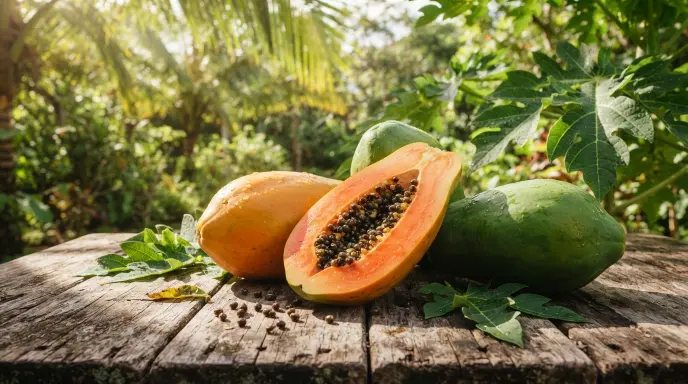
Papaya is a familiar tropical fruit with sweet orange flesh, small black seeds, and a soft texture when ripe.
But if you have ever traveled, read an international recipe, or studied plants, you may have noticed that papaya is not always called by the same name.
Finding another name for papaya can be useful when comparing food names, learning a new language, identifying a fruit, or understanding regional terminology.
The fruit has several common names, including pawpaw, papaw, lechosa, mamão, papita, and pepaya. Some names are used across entire countries, while others are common only in particular regions.
There are also differences between everyday names and the scientific name used by botanists. Below, you will find the most useful alternative names and an easy explanation of where and how they are used.
Another Name for Papaya in English
The word papaya is the standard English name used in many countries. However, pawpaw and papaw are also used in some English-speaking regions.
Here are some English alternatives and related terms:
- Papaya – The most widely recognized English name.
- Pawpaw – A common regional name for papaya in some countries.
- Papaw – A spelling variation of pawpaw.
- Tree melon – A descriptive name based on the plant’s appearance.
- Papaya fruit – A simple descriptive variation.
- Tropical fruit – A broad term often used for papaya.
- Tropical melon – An informal descriptive name.
- Papaya melon – An occasional descriptive expression.
- Ripe papaya – Used when referring specifically to the mature fruit.
- Green papaya – The name commonly used for unripe fruit.
One important point is that pawpaw can also refer to a completely different fruit in North America. Context matters when using this word.
Another Name for Papaya Around the World
Papaya is grown and eaten in many tropical and subtropical regions. As the fruit spread between cultures, different local names developed.
Some common names include:
- Papaya – Widely used internationally.
- Pawpaw – Used in parts of Australia and other English-speaking regions.
- Papaw – A regional English variation.
- Lechosa – Used in several Spanish-speaking areas.
- Mamão – The Portuguese name commonly used in Brazil.
- Papita – A name used in Hindi.
- Pepaya – Common in Indonesian.
- Mamao – A Thai name for papaya.
- Papaye – The French form.
- Papaia – Used in Italian and some other languages.
These names can help explain why a recipe, market, or food guide may use a word that looks unfamiliar even though it refers to papaya.
Another Name for Papaya in Spanish
In Spanish-speaking regions, papaya is generally called papaya, but lechosa is also widely used in some areas.
Common Spanish terms include:
- Papaya
- Lechosa
- Fruta papaya
- Papaya madura
- Papaya verde
- Fruta tropical
- Papaya dulce
- Papaya fresca
- Papaya roja
- Papaya amarilla
The exact term can vary by country. Lechosa is particularly associated with parts of the Caribbean and Latin America.
Another Name for Papaya in Hindi
In Hindi, papaya is commonly called papita or papaya.
Related terms include:
- Papita
- Papaya
- Kaccha papita
- Pakka papita
- Papita phal
- Meetha papita
- Hara papita
- Peela papita
- Taza papita
- Papita fruit
In everyday use, papita is one of the most familiar Hindi names for the fruit.
Another Name for Papaya in Portuguese
In Portuguese, papaya is commonly known as mamão.
Some related expressions include:
- Mamão
- Mamão papaia
- Mamão maduro
- Mamão verde
- Mamão doce
- Fruta mamão
- Mamão fresco
- Mamão amarelo
- Mamão vermelho
- Mamão tropical
Mamão is especially common in Brazil, where papaya is widely eaten as a breakfast fruit and used in juices and desserts.
Another Name for Papaya in Asian Languages
Papaya is popular across many parts of Asia, so it has a wide range of local names.
Some examples include:
- Hindi: Papita
- Indonesian: Pepaya
- Thai: Mamao
- Japanese: Papaiya
- French: Papaye
- Chinese: Mùguā
- Malay: Betik
- Filipino: Papaya
- Tamil: Pappali
- Bengali: Pepe
The names may differ greatly, but they can all refer to the same tropical fruit.
Another Name for Papaya: Scientific Name
The scientific name of papaya is Carica papaya.
This name is different from everyday names such as papaya, pawpaw, or papita. Scientists use botanical names to identify plants precisely.
The name can be understood as:
- Genus: Carica
- Species: papaya
- Scientific name: Carica papaya
- Common name: Papaya
If you are searching for the botanical name rather than a regional nickname, Carica papaya is the term to remember.
Another Name for Papaya Based on Its Color
Papaya changes appearance as it develops, and different terms are often used to describe it.
Common color-based names include:
- Green papaya
- Ripe papaya
- Yellow papaya
- Orange papaya
- Golden papaya
- Red-flesh papaya
- Orange-flesh papaya
- Green-skinned papaya
- Golden-yellow papaya
- Red papaya
Green papaya usually refers to unripe fruit. It has a firmer texture and is often used in savory dishes rather than eaten like a ripe dessert fruit.
Another Name for Papaya Based on Its Shape
Papayas can have different shapes depending on the variety. Descriptive terms may include:
- Pear-shaped papaya
- Oval papaya
- Long papaya
- Round papaya
- Small papaya
- Large papaya
- Hawaiian papaya
- Caribbean papaya
- Tropical fruit
- Tree melon
These descriptions are useful when identifying different varieties, although they are not official alternative names for the fruit.
Another Name for Papaya Based on Its Taste
Ripe papaya has a naturally sweet flavor, which has inspired several informal descriptions.
Some examples are:
- Sweet papaya
- Tropical sweet fruit
- Honey-sweet fruit
- Melon-like fruit
- Tropical melon
- Sweet tropical fruit
- Dessert fruit
- Breakfast fruit
- Juicy tropical fruit
- Soft tropical fruit
These terms are descriptive rather than official names. They can still help explain what the fruit is like to someone who has never tried it.
Another Name for Papaya in Food and Cooking
Papaya has two very different culinary forms: ripe and green.
You may see names such as:
- Green papaya
- Ripe papaya
- Papaya salad fruit
- Fresh papaya
- Papaya pulp
- Papaya slices
- Papaya puree
- Papaya juice fruit
- Papaya dessert fruit
- Papaya smoothie fruit
Green papaya is especially important in Southeast Asian cooking, where it can be shredded and used in savory salads and other dishes.
Another Name for Papaya: Regional English Terms
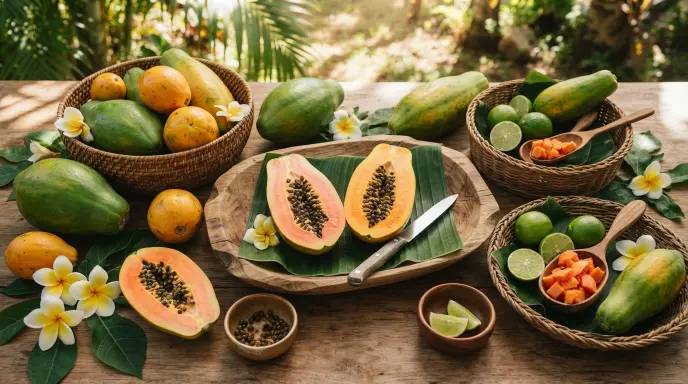
English names can change depending on location.
Here are several terms you may encounter:
- Papaya
- Pawpaw
- Papaw
- Tree melon
- Tropical melon
- Papaya fruit
- Green papaya
- Ripe papaya
- Sweet papaya
- Tropical fruit
The most important distinction is between papaya and American pawpaw. Although both may be called pawpaw in certain contexts, they are not the same fruit.
Another Name for Papaya: Unique and Descriptive Terms
Some descriptions are not official names but can help explain the fruit in simple language.
Examples include:
- Tropical treasure
- Golden tropical fruit
- Island fruit
- Sunshine fruit
- Tropical melon
- Sweet tree fruit
- Orange-flesh fruit
- Breakfast fruit
- Tropical delight
- Golden fruit
These expressions are best viewed as creative descriptions rather than true botanical synonyms.
Another Name for Papaya in Recipes
If you are reading recipes, papaya may appear under several different terms.
Look for:
- Papaya
- Pawpaw
- Green papaya
- Ripe papaya
- Papaya pulp
- Papaya puree
- Papaya chunks
- Papaya slices
- Papaya flesh
- Fresh papaya
Recipe writers usually use papaya or green papaya, depending on the stage of ripeness required.
Another Name for Papaya and the Word Pawpaw
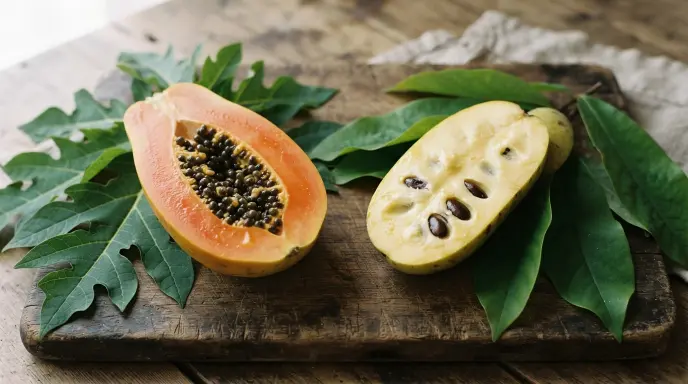
The word pawpaw deserves special attention because it can be confusing.
In some regions, pawpaw is a common name for papaya. However, in the United States, pawpaw often refers to Asimina triloba, a completely different native fruit.
The two fruits are not closely interchangeable.
Papaya:
- Grows on a tropical plant.
- Has orange or yellow flesh when ripe.
- Contains many small black seeds.
- Has a soft, sweet texture.
American pawpaw:
- Comes from a different plant.
- Has pale yellow flesh.
- Has large dark seeds.
- Has a custard-like texture.
So, if you see the word pawpaw, always consider the location and context before assuming it means papaya.
Another Name for Papaya: Names You Can Use for Different Purposes
The best alternative depends on why you need the name.
| Purpose | Useful Name |
|---|---|
| Everyday English | Papaya |
| Regional English | Pawpaw |
| Botanical identification | Carica papaya |
| Hindi | Papita |
| Spanish | Lechosa |
| Portuguese | Mamão |
| Indonesian | Pepaya |
| French | Papaye |
| Unripe fruit | Green papaya |
| Ripe fruit | Ripe papaya |
This makes it easier to choose the correct term for a recipe, school assignment, article, conversation, or plant identification task.
How to Choose the Right Name for Papaya
When choosing an alternative name, think about the situation first.
Consider the country.
A name that is common in one country may sound unusual somewhere else.
Check the language.
If you are translating a recipe or writing for an international audience, use the appropriate local term.
Think about ripeness.
Green papaya and ripe papaya are used differently in cooking.
Use the scientific name when precision matters.
For schoolwork, gardening, or botanical information, Carica papaya is more precise than a regional nickname.
Watch for confusing names.
Words such as pawpaw can refer to different fruits depending on the region.
Choose familiar wording for general readers.
If your audience is international, papaya is usually the clearest choice.
Why Papaya Has So Many Different Names
Papaya has been cultivated and traded across tropical regions for centuries. As people in different countries began growing and eating it, local languages developed their own names for the fruit.
Language also changes depending on how a community uses the fruit. Some names describe the fruit itself, while others refer to its appearance, origin, or stage of ripeness.
That is why one person may say papaya, another may say pawpaw, and someone else may use mamão or lechosa. Different names do not necessarily mean different fruits.
FAQs:
What is another common name for papaya?
Pawpaw or papaw is a common alternative name for papaya in some English-speaking regions. However, papaya remains the clearest and most widely recognized English name.
What is the scientific name of papaya?
The scientific name is Carica papaya. It is the botanical name used to identify the papaya plant accurately.
Is pawpaw another name for papaya?
Sometimes. In countries such as Australia, pawpaw can refer to papaya. In North America, however, pawpaw commonly refers to a different fruit called Asimina triloba.
What is papaya called in Hindi?
Papaya is commonly called papita in Hindi.
What is papaya called in Spanish?
Papaya is called papaya in Spanish, while lechosa is also commonly used in several Spanish-speaking regions.
What is papaya called in Portuguese?
The Portuguese word is mamão. In Brazil, this is the common everyday term for papaya.
What is papaya called in Indonesia?
In Indonesian, papaya is called pepaya.
Is green papaya a different fruit?
No. Green papaya is generally an unripe papaya. It has a firm texture and is often used in savory dishes, while ripe papaya becomes softer and sweeter.
Conclusion:
Papaya has more names than many people realize. Pawpaw, papaw, lechosa, mamão, papita, pepaya, and papaye are some of the terms you may encounter in different regions and languages.
Its scientific name, Carica papaya, provides a precise botanical identity.
If you need an alternative name for a recipe, translation, school project, or general conversation, choose the term that fits your audience and location.
For most English readers, papaya is the simplest choice, while regional names can add useful cultural context.

Hi, I’m Evelyn, a writer who enjoys creating simple, useful, and engaging content. I love finding interesting ideas and turning them into easy-to-read articles that people can enjoy and learn from.
My goal is to make every article clear, helpful, and enjoyable for readers. I believe good writing should feel natural, friendly, and easy to understand. Thank you for visiting my site, and I hope you enjoy reading my work!